
Tricycle Bike manufacturing emphasizes robust frame materials and ergonomic design—principles that directly parallel high-quality electronics gifts. In headphones, portable speakers, and smart accessories, the choice of plastics, metals, and composites determines longevity and user satisfaction.
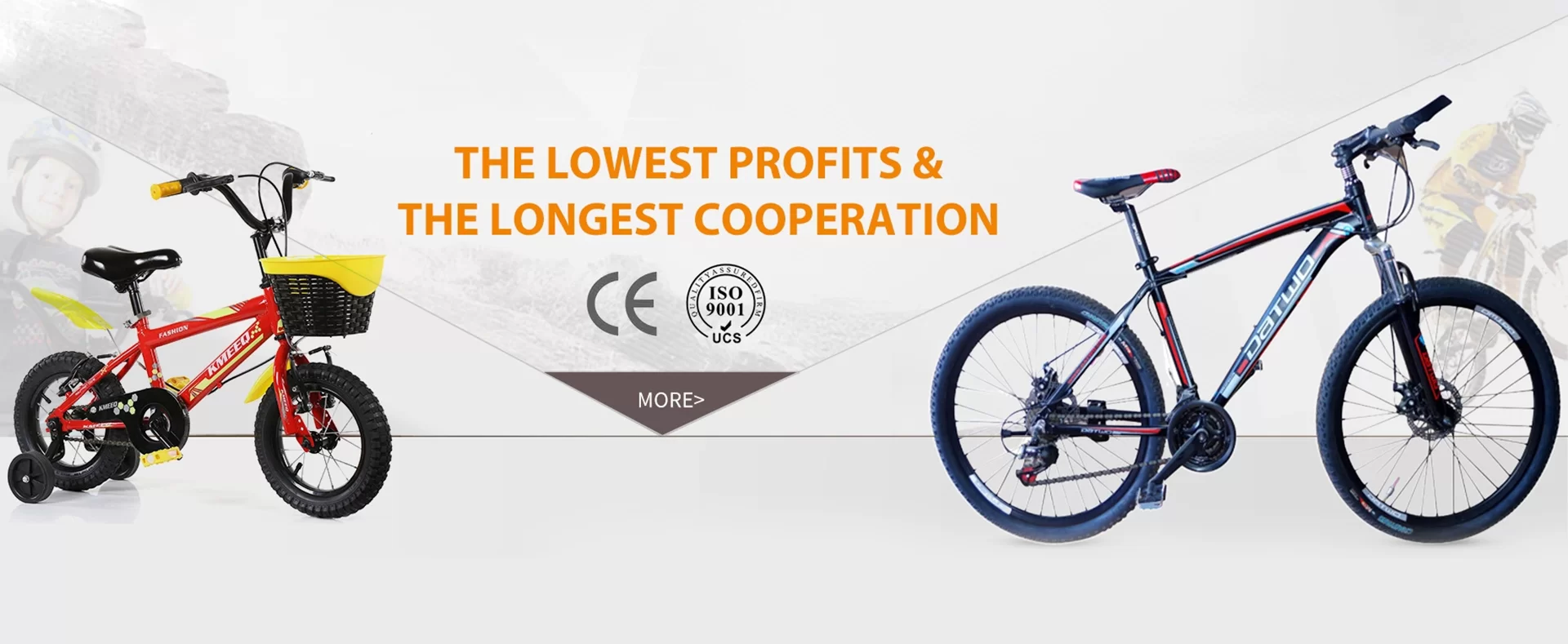
Why Material Quality Matters in Audio and Gift Electronics
When consumers choose electronics as gifts, they expect durability and performance. Whether it's a set of noise-canceling headphones or a portable Bluetooth speaker, the materials used in construction directly impact sound quality, comfort, and lifespan. Plastics must resist cracking, metals must not corrode, and cushions must remain comfortable over time.
Manufacturers often source components from regions with strong industrial bases. For instance, precision machining and material expertise found in Hebei, China, supply the bicycle industry with reliable parts. The same supply chain logic applies to electronics—consistent material quality reduces defects and enhances user experience.
The Role of Supply Chain in Ensuring Consistency
Behind every well-made electronic gift is a supply chain that ensures raw materials meet strict specifications. Factories that produce bicycle components often use similar metal alloys and plastic compounds that appear in headphone hinges and speaker grilles. A Racing Bike frame, for example, relies on lightweight yet strong aluminum alloys—the same materials can be found in premium headphone yokes and earcup housings.
This overlap is not coincidental. Global sourcing strategies often leverage clusters of expertise. In Shijiazhuang, Hebei, companies have built reputations for quality in children's bikes and toys, but the manufacturing capabilities extend to other precision products. For gift electronics, using components sourced from such facilities can lower defect rates and improve consistency.
Trends in Gift Electronics: Merging Function and Aesthetics
Today's gift electronics are expected to be both functional and beautiful. This places additional demands on material selection. Manufacturers must balance weight, texture, thermal conductivity, and acoustic properties. For instance, headphones with metal ear cups offer a premium feel but require careful anodizing to prevent scratches.
Similarly, bicycle manufacturers have long understood the importance of finish—paint, powder coating, and anodizing protect against weather and wear. The same techniques are used in electronics to create scratch-resistant surfaces and vibrant colors that appeal to gift buyers.
Quality Certifications: A Universal Language
International standards like ISO 9001, CE, and RoHS are as critical for electronics as they are for children's toys and bikes. These certifications ensure that materials are safe, processes are controlled, and products are reliable. Gift electronics that carry these marks inspire trust in consumers.
In the supply chain, companies with certifications often become preferred partners. The ability to provide preferential tariff certificates like FORM E or FTA simplifies cross-border trade, benefiting both the manufacturer and the buyer of electronics gifts.
Conclusion: The Overlooked Connection Between Bicycle Parts and Audio Gear
While at first glance a tricycle bike and a pair of headphones share little in common, the underlying materials and manufacturing philosophies reveal a deep connection. As the gift electronics market continues to grow, understanding the source and quality of materials becomes essential for brands aiming to deliver lasting value. By looking to established industrial regions with proven capabilities—like Hebei, China—product developers can source components that meet the rigorous demands of modern consumers.