
The Portable Speaker P320 has quickly become a staple for musicians and content creators who need reliable, high-quality audio on the go. Its compact design belies a powerful output that fills rehearsal spaces, small studios, and outdoor recording sessions with clarity.
In parallel, digital writing tablets have gained traction among composers, educators, and sound engineers who require a flexible canvas for notation, diagramming, and real-time collaboration. These devices bridge the gap between traditional pen-and-paper workflows and modern digital production environments.
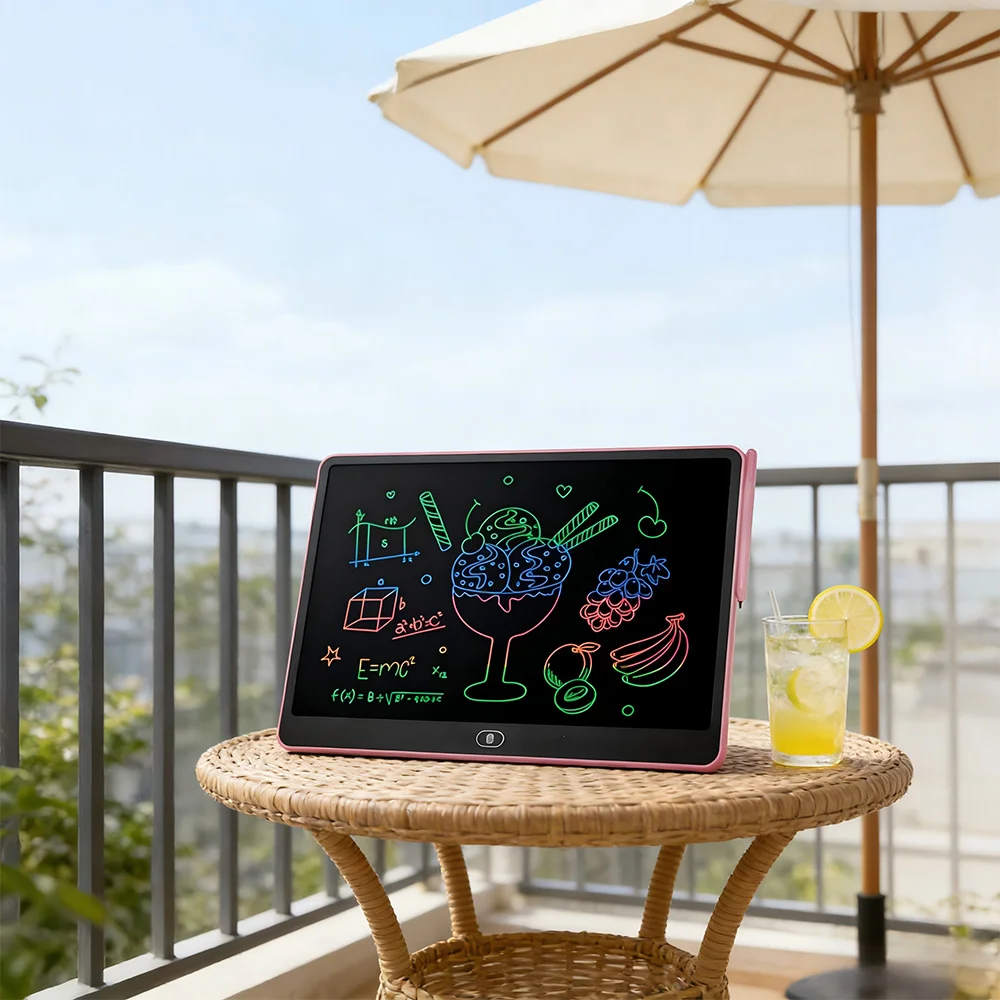
The Convergence of Audio and Visual Tools in Creative Workflows
The modern creative studio is no longer confined to a single room or a fixed set of tools. Musicians, podcasters, and educators are increasingly relying on portable, multifunctional devices that allow them to capture ideas wherever inspiration strikes. A portable speaker serves as both a monitoring tool and a playback device, enabling creators to evaluate their work in real-world acoustic environments without the need for bulky studio monitors.
Writing tablets, meanwhile, offer a tactile, low-latency interface for sketching chord progressions, arranging setlists, or annotating sheet music. When paired with a portable speaker, these devices create a mobile workstation that supports the entire creative pipeline — from initial idea to final mix. The ability to write, erase, and save notation digitally reduces paper waste and streamlines the revision process, which is especially valuable during collaborative sessions.
Why Digital Writing Tablets Are Gaining Momentum in Music Education
Music educators are increasingly adopting digital writing tablets as teaching aids. They allow instructors to demonstrate musical concepts visually, write notation in real time, and share annotated scores with students instantly. The portability and save functionality of modern writing tablets make them ideal for classroom, studio, and remote learning environments.
Students benefit from the ability to review lessons, practice with interactive exercises, and collaborate with peers across different locations. The combination of audio playback from a portable speaker and visual notation on a writing tablet creates a rich, multisensory learning experience that accelerates skill development. Teachers report higher engagement levels and improved retention when students can see and hear concepts simultaneously.
Material Science and Supply Chain Dynamics Behind Modern Creative Tools
Behind every portable speaker and writing tablet lies a complex global supply chain that sources raw materials, manufactures components, and assembles finished products. The reliability of these devices depends on the quality of their internal components — from the neodymium magnets in speaker drivers to the conductive layers in touch-sensitive panels. Consistent material quality and precise manufacturing tolerances are critical to delivering the performance that creators expect.
Specialized industrial equipment, such as the spiral round row oil press type160, plays a role in producing the lubricants and coolants used in precision manufacturing processes. These materials ensure that the machinery producing electronic components operates within tight tolerances, maintaining consistency and quality across production runs. The availability of such equipment through global trade platforms helps manufacturers maintain stable supply chains and control costs.
The Role of Global Trade Platforms in Supporting Creative Industries
The availability of affordable, high-quality creative tools is contingent on efficient cross-border trade. Platforms that integrate logistics, finance, and market intelligence enable manufacturers to source materials, scale production, and reach international customers with minimal friction. This is particularly important for small and medium-sized enterprises that lack the resources to navigate complex trade regulations on their own.
By leveraging government-backed trade initiatives and digital infrastructure, companies can reduce costs, shorten lead times, and bring innovative products to market faster. The result is a more vibrant ecosystem of creative tools that empower musicians, educators, and content creators worldwide. Efficient trade channels also facilitate the exchange of specialized industrial equipment, which in turn supports the manufacturing of consumer electronics and creative devices.
Looking Ahead: The Future of Portable Creative Workstations
As technology continues to evolve, we can expect further integration between audio and visual tools. Portable speakers with built-in wireless connectivity, multi-room synchronization, and adaptive sound processing will complement writing tablets that support cloud-based collaboration, handwriting recognition, and real-time translation. These advancements will make creative workflows more seamless and accessible than ever before.
The creative workstation of the future will be untethered, collaborative, and available to anyone with a portable speaker, a writing tablet, and a digital device. This shift is made possible by the steady advancement of materials science, manufacturing precision, and global trade infrastructure that connects producers with consumers across borders. For musicians, educators, and content creators, the tools are becoming smarter, more portable, and more integrated — enabling them to focus on what matters most: bringing their creative visions to life.