
Introduction
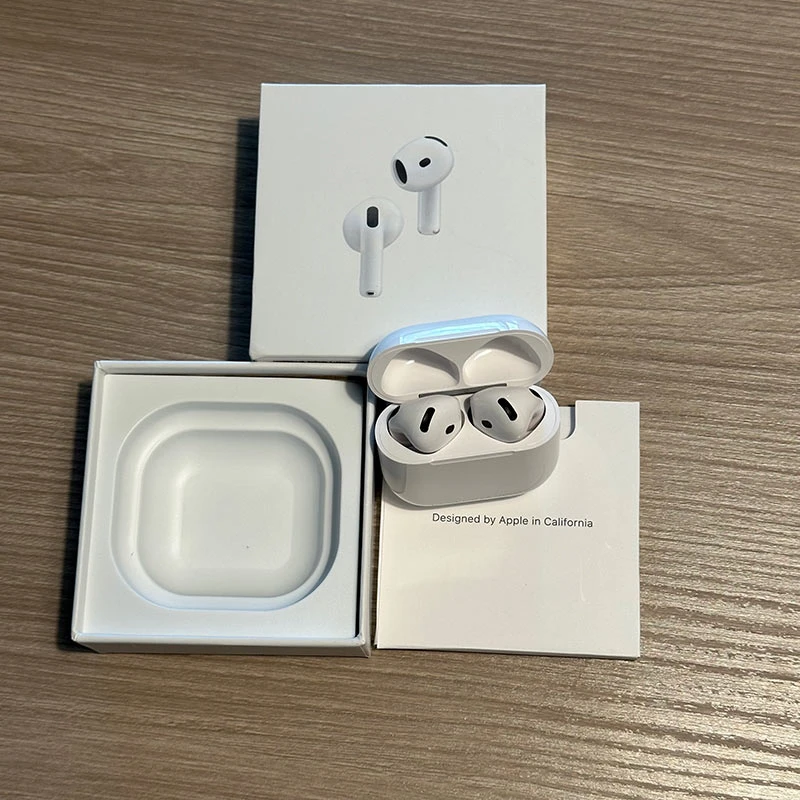
Low price noise cancelling earbuds represent a significant segment within the personal audio market, characterized by accessibility and a focus on core noise attenuation functionality. These devices, typically utilizing digital or analog active noise cancellation (ANC) alongside passive isolation, position themselves as a cost-effective alternative to premium offerings. Their technical position in the industry chain involves integration of micro-electromechanical systems (MEMS) microphones, digital signal processors (DSPs), and miniaturized speaker drivers. Core performance metrics center around noise reduction level (measured in dB), frequency response, total harmonic distortion (THD), and battery life. A primary industry pain point is balancing performance with cost, often resulting in compromises in material quality, ANC algorithm sophistication, and long-term durability. The market is driven by consumer demand for affordable solutions in commuting, open-office environments, and travel, creating a competitive landscape demanding continuous innovation in miniaturization, power efficiency, and noise cancellation effectiveness.
Material Science & Manufacturing
The construction of low price noise cancelling earbuds relies heavily on a selection of materials designed for cost-effectiveness and manufacturability. Earbud housings frequently utilize ABS (Acrylonitrile Butadiene Styrene) plastic or polypropylene due to their low cost, impact resistance, and ease of molding. Speaker drivers typically employ neodymium magnets for strong magnetic fields in a compact size, paired with a cellulose or polymer diaphragm for sound production. The diaphragm material significantly influences frequency response and distortion characteristics. ANC systems require miniature MEMS microphones, constructed from silicon and employing capacitive sensing to detect ambient noise. Circuit boards are primarily manufactured from FR-4 epoxy laminate, chosen for its dielectric properties and machinability. Manufacturing processes involve injection molding for housing components, voice coil winding and diaphragm assembly for speakers, surface mount technology (SMT) for circuit board assembly, and automated testing procedures. Critical parameter control includes precise microphone placement for optimal noise capture, accurate diaphragm alignment for reduced distortion, and effective sealing of the housing to maintain passive noise isolation. Chemical compatibility between housing materials and ear gels (typically silicone or polyurethane) is crucial to prevent degradation or allergic reactions. A key challenge is maintaining consistent ANC performance across production batches due to variations in microphone sensitivity and DSP calibration.
Performance & Engineering
Performance of low price noise cancelling earbuds hinges on a complex interplay of acoustic and electronic engineering principles. Noise cancellation is achieved through destructive interference: the ANC system analyzes ambient noise via external microphones, generates an inverted waveform through the speakers, and combines these signals to attenuate the unwanted sound. The effectiveness of this process is directly related to the accuracy of the phase and amplitude matching between the ambient noise and the generated anti-noise signal. Force analysis on the earbud structure considers the mechanical stresses imposed by the housing during wear and the vibrational forces generated by the speaker drivers. Environmental resistance, particularly against moisture and temperature fluctuations, is critical for durability. Compliance requirements include electromagnetic compatibility (EMC) standards to minimize interference with other electronic devices, and safety regulations concerning audio output levels to prevent hearing damage. Functional implementation relies heavily on DSP algorithms optimized for low computational complexity and power consumption. A significant engineering challenge is mitigating the “ANC artifacts” – unwanted audible tones or distortions introduced by the noise cancellation process, which are particularly noticeable in lower-cost designs due to limitations in DSP processing power and algorithm sophistication. Battery life is also a key performance factor, driving efforts to optimize power management and component selection.
Technical Specifications
| Parameter | Unit | Typical Value (Low Price Earbuds) | Premium Earbuds (Comparison) |
|---|---|---|---|
| Noise Cancellation Depth | dB | 15-20 | 30-40 |
| Frequency Response | Hz | 20-20,000 | 10-40,000 |
| Total Harmonic Distortion (THD) | % | >3 | <1 |
| Bluetooth Version | - | 5.0 | 5.3 |
| Battery Life (ANC On) | Hours | 4-6 | 8-12 |
| Microphone Sensitivity | dBV/Pa | -42 | -38 |
Failure Mode & Maintenance
Low price noise cancelling earbuds are susceptible to several failure modes stemming from material limitations and manufacturing tolerances. Common issues include battery degradation, leading to reduced operating time and eventual failure. Speaker diaphragm fatigue cracking, resulting in distorted audio or complete speaker failure, is often caused by prolonged exposure to high volumes and temperature fluctuations. MEMS microphone failure can occur due to contamination from earwax or moisture, impacting ANC performance. Circuit board delamination or component failure (e.g., capacitors, resistors) can arise from thermal stress and vibration. Connection issues between the earbuds and the charging case are frequently attributable to oxidation of the charging contacts. Failure analysis frequently reveals that compromised soldering joints and inadequate strain relief on internal wiring contribute to premature failure. Maintenance recommendations include regular cleaning of the earbuds and charging case with a dry, soft cloth. Avoid exposure to extreme temperatures or humidity. Store the earbuds in the charging case when not in use to protect the battery and components. Prevent excessive physical stress on the earbuds and cables. If the battery life significantly decreases or audio distortion occurs, consider replacing the earbuds rather than attempting complex repairs, given the low cost of the device and the complexity of component-level repair.
Industry FAQ
Q: What is the primary limiting factor for noise cancellation performance in low price earbuds?
A: The primary limiting factor is the complexity and processing power of the Digital Signal Processor (DSP). More advanced algorithms require greater computational resources, which are often omitted in lower-cost designs to reduce component costs and power consumption. This results in less accurate noise analysis and a less effective anti-noise signal.
Q: How does material selection impact the longevity of these earbuds?
A: Material selection significantly impacts longevity. Cheaper plastics are more prone to cracking and degradation from UV exposure and body oils. Lower grade adhesives and soldering materials are less resistant to thermal cycling and vibration, leading to component failure over time.
Q: What are the common causes of battery failure in these devices?
A: Battery failure is typically caused by a combination of factors: cycle life limitations (lithium-ion batteries degrade with each charge cycle), exposure to high temperatures during charging or storage, and over-discharge. Lower-cost earbuds often utilize batteries with lower capacity and quality control standards, accelerating degradation.
Q: How important is the IP rating (Ingress Protection) for earbuds in this price range?
A: IP ratings are often limited or absent in this price range. While some models may offer basic splash resistance, true water or dust proofing is rarely implemented due to the added cost of sealing components and materials. Consumers should exercise caution when using these earbuds in humid or dusty environments.
Q: What should a procurement manager look for when evaluating suppliers of these earbuds?
A: A procurement manager should focus on supplier quality control processes, component traceability, and warranty policies. Requesting sample testing reports demonstrating adherence to EMC standards and audio quality benchmarks is crucial. Investigating the supplier's experience with similar projects and their ability to handle large-volume production is also essential.
Conclusion
Low price noise cancelling earbuds represent a trade-off between affordability and performance. Their functionality relies on a complex integration of material science, acoustic engineering, and digital signal processing. While compromises are inevitable in this segment, understanding the limitations related to material quality, DSP capabilities, and manufacturing tolerances is critical for both manufacturers and consumers.
The continued demand for accessible noise cancellation will drive innovation in this space, focusing on improving ANC algorithms, optimizing power efficiency, and exploring alternative materials to enhance durability and performance without significantly increasing costs. Future developments may also incorporate advanced features such as personalized noise profiles and adaptive ANC based on user activity.