
ODM Double Layer Jelly Rabbit Vibrator technology represents a significant shift in how consumer electronics and tactile wellness intersect. In an era where haptic feedback and material softness are prioritized, the boundary between traditional gadgetry and personal health devices is blurring.
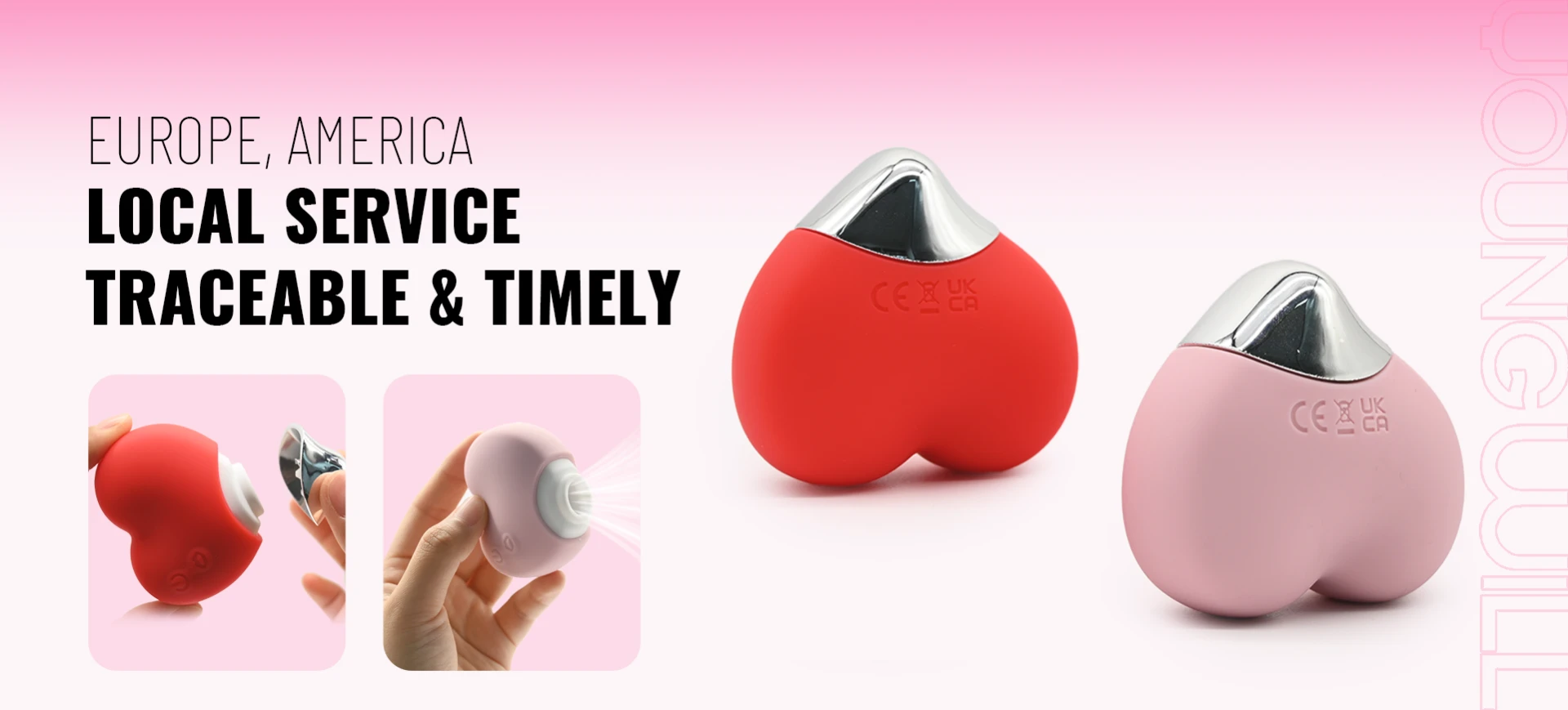
As we observe the evolution of the gift and lifestyle markets, there is a growing emphasis on "sensory ergonomics." This concept focuses on how digital interfaces and physical textures interact to provide a more immersive user experience. Whether it is the acoustic resonance of high-end headphones or the soft-touch finish on a wellness device, the material used determines the perceived quality of the product.
Material Innovation: Beyond Standard Plastics
For years, the consumer electronics industry relied heavily on rigid polymers. However, the modern consumer demands something more organic. We are seeing a massive influx of medical-grade silicones and hypoallergenic elastomers in lifestyle products. These materials offer a unique combination of durability, thermal stability, and a "skin-like" feel that traditional plastics simply cannot replicate.
This shift is particularly evident in the niche of intimate health accessories. For instance, the widespread adoption of a Male Silicone Cock Ring illustrates how manufacturers are leveraging advanced silicone molding to ensure both safety and comfort. This level of material specialization requires precise R&D and strict adherence to international safety certifications like CE and FDA.
The Role of Precision Engineering in Lifestyle Electronics
The complexity of modern lifestyle devices is no longer just about the software; it is about the hardware-material synergy. When designing products that involve vibration, heat, or water resistance, engineers must account for:
- Acoustic Dampening: Using specialized coatings to reduce mechanical noise in small motors.
- Hydrophobic Properties: Integrating waterproof seals that do not compromise the tactile feel of the exterior.
- Biocompatibility: Ensuring that all contact surfaces are non-porous and resistant to microbial buildup.
Supply Chain Reliability and Quality Control
As these product categories move into the mainstream, the importance of a robust supply chain becomes paramount. Brands are increasingly looking toward specialized manufacturing partners who offer more than just assembly. They require integrated solutions that include custom mold development, compliance testing, and sophisticated logistics.
A reliable production partner, such as those specializing in high-tech wellness solutions like Hebei Youngwill Health Technology, provides the necessary infrastructure to bridge the gap between a creative concept and a retail-ready product. By utilizing ISO-certified processes and data-driven quality control, the industry can ensure that innovation does not come at the expense of consumer safety.