
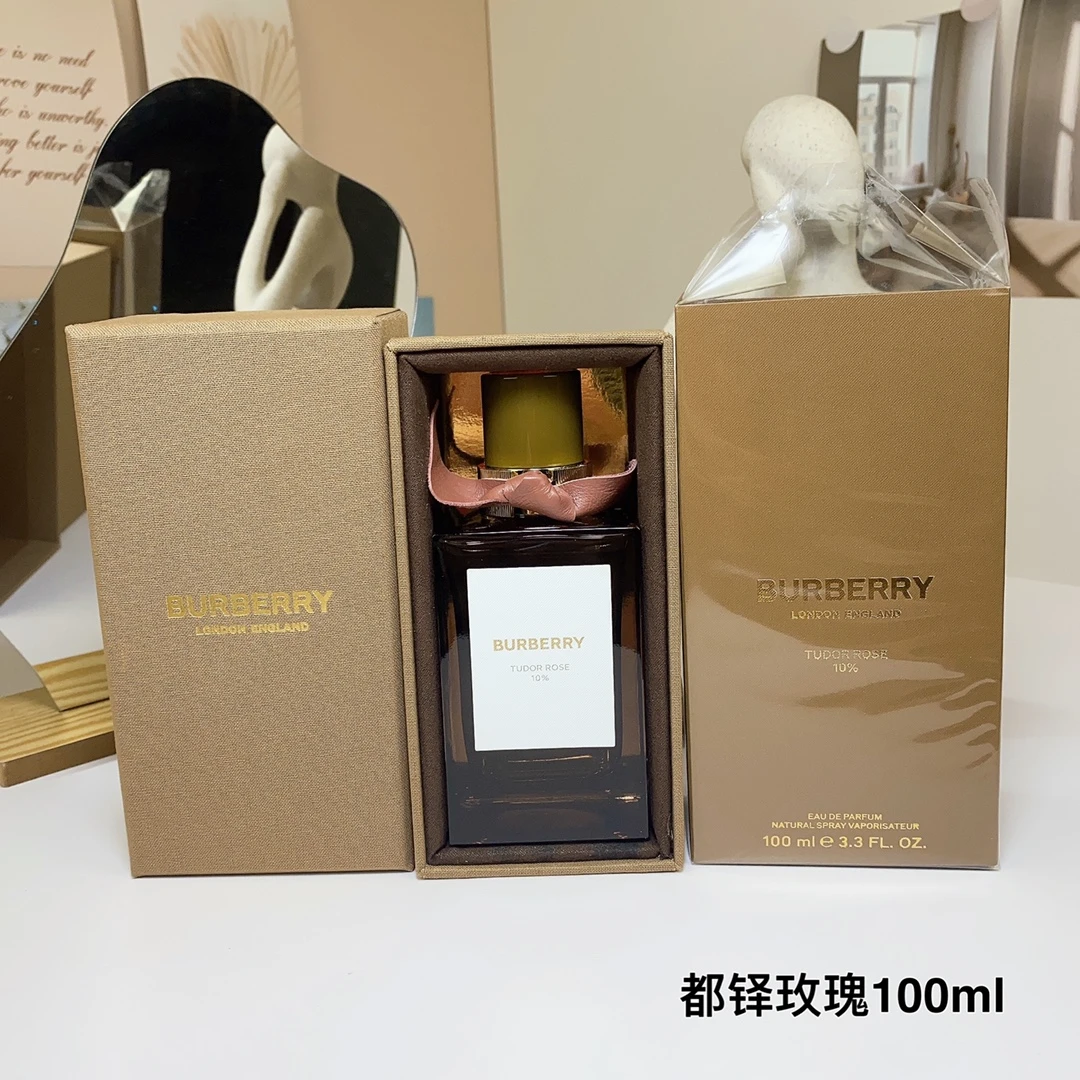
Introduction
Cheap perfume, often referred to as fragrance concentrates or budget perfumes, occupies a significant segment within the broader fragrance industry. Distinguished by its markedly lower cost compared to designer or niche perfumes, it presents a unique set of engineering and chemical challenges. Technically, cheap perfume is characterized by a significantly lower concentration of perfume oils – typically ranging from 2-15% – dissolved in a solvent (usually ethanol) and water. This contrasts sharply with Eau de Parfum (15-20% concentration) or Parfum/Extrait de Parfum (20-30%+ concentration). The industry position lies primarily in mass-market accessibility, targeting consumers prioritizing affordability over longevity or complexity of scent profile. Core performance centers on achieving a perceptible scent, demonstrating adequate solvent stability, and avoiding significant allergenic reactions, all within stringent cost constraints. The primary pain point for manufacturers is balancing fragrance quality and stability with extremely low material costs, frequently leading to reliance on synthetic aroma chemicals and simplified fragrance formulations. Furthermore, ensuring compliance with evolving international fragrance regulations and avoiding counterfeit formulations presents ongoing challenges.
Material Science & Manufacturing
The raw materials for cheap perfume predominantly consist of denatured ethanol (typically 95% or higher purity, often sourced from agricultural byproducts), water (deionized to minimize impurities), and synthetic aroma chemicals. Natural essential oils are rarely used in substantial quantities due to cost. The dominant aroma chemicals include synthetic musks (e.g., polycyclic musks, macrocyclic musks), floral accords based on phenethyl alcohol derivatives, and citrus notes derived from limonene or citral. Ethanol’s key physical property is its ability to act as a solvent and carrier for the aroma compounds; its volatility dictates the perfume's initial scent throw. Water serves to dilute the fragrance and can influence the perception of certain aroma chemicals. Manufacturing typically involves batch blending in stainless steel tanks equipped with agitators. Critical parameters include precise temperature control (typically 20-25°C) to prevent degradation of aroma compounds and accurate weighing of ingredients to maintain batch consistency. A key process is “maceration,” where the blended fragrance is allowed to sit for a period (typically 1-4 weeks) to allow the components to harmonize. Filtration (using filter presses or cartridge filters) removes any insoluble particles. Quality control involves gas chromatography-mass spectrometry (GC-MS) analysis to verify the composition and purity of the final product. Chemical compatibility is paramount; certain aroma chemicals can react with ethanol or other ingredients over time, leading to discoloration or precipitation. The use of stabilizers (e.g., UV absorbers, antioxidants) is crucial to minimize degradation during storage.

Performance & Engineering
The performance of cheap perfume is primarily evaluated based on scent longevity (how long the fragrance is perceptible), sillage (the trail left by the fragrance), and scent profile stability. Due to the low concentration of perfume oils, longevity is typically short – often less than 2 hours. Sillage is generally minimal. Force analysis isn’t directly applicable to the perfume liquid itself, but is relevant to the packaging (spray bottle design and actuator performance) which determines the atomization characteristics and spray pattern. Environmental resistance concerns center around thermal stability; high temperatures can accelerate degradation of aroma chemicals, leading to altered scent profiles. Light exposure also contributes to degradation, particularly for certain floral notes. Compliance requirements are governed by IFRA (International Fragrance Association) standards, which regulate the use of potentially allergenic or restricted aroma chemicals. These standards dictate maximum usage levels for specific ingredients. Functional implementation relies heavily on the quality of the spray mechanism; a poorly designed atomizer can lead to uneven spray distribution or clogging. Furthermore, the compatibility of the perfume formulation with the plastic or glass components of the bottle is critical to prevent leaching of chemicals or material degradation. Volatility of the ethanol carrier and the vapor pressure of the various aroma compounds strongly influence the perceived scent profile over time, following principles of diffusion and evaporation.
Technical Specifications
| Parameter | Typical Value (Cheap Perfume) | Eau de Toilette | Eau de Parfum |
|---|---|---|---|
| Fragrance Oil Concentration (%) | 2-15 | 5-15 | 15-20 |
| Ethanol Purity (%) | 95+ | 95+ | 95+ |
| Water Content (%) | 5-20 | 5-10 | 5-10 |
| Specific Gravity (g/mL) | 0.85 - 0.95 | 0.88 - 0.98 | 0.90 - 1.00 |
| Viscosity (cP) | 1.5 - 2.5 | 1.8 - 3.0 | 2.0 - 4.0 |
| Flash Point (°C) | 12-25 | 20-30 | 25-35 |
Failure Mode & Maintenance
Failure modes in cheap perfume are numerous and often linked to cost-cutting measures. A common failure is phase separation, where the perfume oil and solvent separate, resulting in a cloudy appearance and altered scent. This is often caused by insufficient solvent or the inclusion of incompatible aroma chemicals. Oxidation of aroma compounds, leading to discoloration (yellowing or browning) and off-odors, is another frequent issue, especially with citrus or floral notes. Another failure mode is precipitation of aroma chemicals due to temperature fluctuations or improper formulation. Fatigue cracking of the spray bottle, particularly in plastic bottles, can occur due to stress from filling and handling. Degradation of the spray mechanism (clogging or reduced spray volume) is common due to residue buildup or corrosion. Maintenance isn’t applicable to the perfume liquid itself; however, proper storage is crucial. The perfume should be stored in a cool, dark place away from direct sunlight and heat to minimize degradation. Regular inspection of the spray bottle for cracks or leaks is recommended. Avoid prolonged exposure to air, as this can accelerate oxidation. For the spray mechanism, periodic cleaning with ethanol can help prevent clogging.
Industry FAQ
Q: What is the primary reason for the shorter longevity of cheap perfumes compared to higher-end fragrances?
A: The primary reason is the significantly lower concentration of perfume oils. Higher-end fragrances contain a much greater proportion of fragrant compounds, allowing them to persist on the skin for longer periods. Cheap perfumes rely on a lower percentage of oils diluted in a larger volume of solvent, leading to faster evaporation and a shorter scent trail.
Q: How do manufacturers ensure chemical stability in a low-cost formulation?
A: Chemical stability is achieved through careful selection of aroma chemicals known for their compatibility and resistance to degradation, alongside the addition of stabilizers like UV absorbers and antioxidants. However, compromises are often made, and stability testing is crucial, but may be less extensive than for premium products.
Q: What role does IFRA play in the production of cheap perfume?
A: IFRA standards are legally mandated in many regions and dictate the permissible usage levels of potentially allergenic or restricted aroma chemicals. Manufacturers of cheap perfume must adhere to these standards to ensure product safety and avoid regulatory issues. Compliance is often more challenging due to cost pressures, potentially leading to simpler formulations.
Q: What are the common challenges related to the packaging of cheap perfumes?
A: Common challenges include material compatibility (preventing leaching or degradation of the perfume by the plastic/glass), ensuring a functional and reliable spray mechanism at a low cost, and preventing cracking or leakage during filling and transport. The quality of packaging materials is often lower in cheaper perfumes, leading to a higher risk of failures.
Q: Is the use of natural essential oils completely absent in cheap perfumes?
A: While extremely limited, some cheap perfumes may contain trace amounts of natural essential oils, often used as modifiers to enhance certain notes. However, the vast majority of the fragrance composition is based on synthetic aroma chemicals due to cost considerations. The sourcing and quality control of any natural oils used will be significantly less stringent.
Conclusion
Cheap perfume represents a complex engineering challenge within the fragrance industry, demanding a delicate balance between cost, performance, and regulatory compliance. The reliance on synthetic aroma chemicals, lower fragrance oil concentrations, and simplified formulations fundamentally dictates its performance characteristics, namely reduced longevity and sillage. Careful material selection, precise manufacturing controls, and adherence to IFRA standards are critical to ensuring product stability and safety.
Ultimately, the market for cheap perfume is driven by affordability, and the trade-offs inherent in achieving that price point are substantial. Future advancements may focus on developing novel, low-cost aroma chemicals with improved stability and longevity, or on optimizing fragrance encapsulation technologies to enhance scent delivery. However, fundamentally, the limitations imposed by cost will continue to shape the landscape of this segment of the fragrance industry.