

Introduction
Chinese parfum, encompassing both traditional fragrance compositions and modern interpretations, represents a significant and growing segment within the global fragrance industry. Historically, perfumery in China revolved around incense and the use of aromatic plants in traditional medicine and ceremonies. Modern Chinese parfum production utilizes a blend of Western techniques and locally sourced botanical materials, creating a distinct olfactory profile often characterized by floral, osmanthus, and tea notes. This guide provides a comprehensive technical overview of Chinese parfum, covering material science, manufacturing processes, performance characteristics, failure modes, and relevant industry standards. The industry currently faces challenges in achieving consistent quality control, navigating international regulations, and establishing brand recognition in a highly competitive market. Understanding the intricacies of formulation, extraction techniques, and stability testing is paramount to producing high-quality, export-ready Chinese parfum.
Material Science & Manufacturing
The foundation of Chinese parfum lies in the sourcing and processing of aromatic raw materials. These primarily consist of natural extracts (essential oils, absolutes, concretes) and synthetic aroma chemicals. Key natural materials include osmanthus (Osmanthus fragrans), jasmine (Jasminum sambac), plum blossom, green tea extract, and sandalwood (often sourced from Southeast Asia but integrated into Chinese blends). Synthetic aroma chemicals, such as linalool, linalyl acetate, and various musks, are incorporated to enhance longevity, projection, and create complex accords.
Manufacturing typically involves several stages: Raw Material Preparation: Osmanthus, for instance, undergoes solvent extraction (typically using hexane, followed by rigorous solvent removal) to yield an absolute. Jasmine is often processed using a similar method. Tea extracts require careful concentration and purification to remove unwanted tannins and impurities. Blending: This is a critical stage requiring precise weighing and mixing of fragrance compounds, utilizing precise scales (accuracy to 0.01g) and automated blending systems to ensure batch-to-batch consistency. Alcohol concentration (typically 75-95% ethanol, denatured with a bittering agent) is meticulously controlled. Maceration: The blended fragrance concentrate is allowed to mature in stainless steel tanks for a period ranging from several weeks to months, depending on the complexity of the formula. This allows the molecules to interact and harmonize. Temperature control (typically 15-25°C) is vital during maceration. Filtration: The matured parfum is filtered through a series of filters (typically using diatomaceous earth or membrane filters with pore sizes ranging from 0.45 to 1.0 µm) to remove any particulate matter and ensure clarity. Packaging: Bottles are typically made of glass (borosilicate glass preferred for chemical resistance) and closures are often plastic or metal. Quality control checks are performed at each stage, including GC-MS analysis to verify composition and purity.
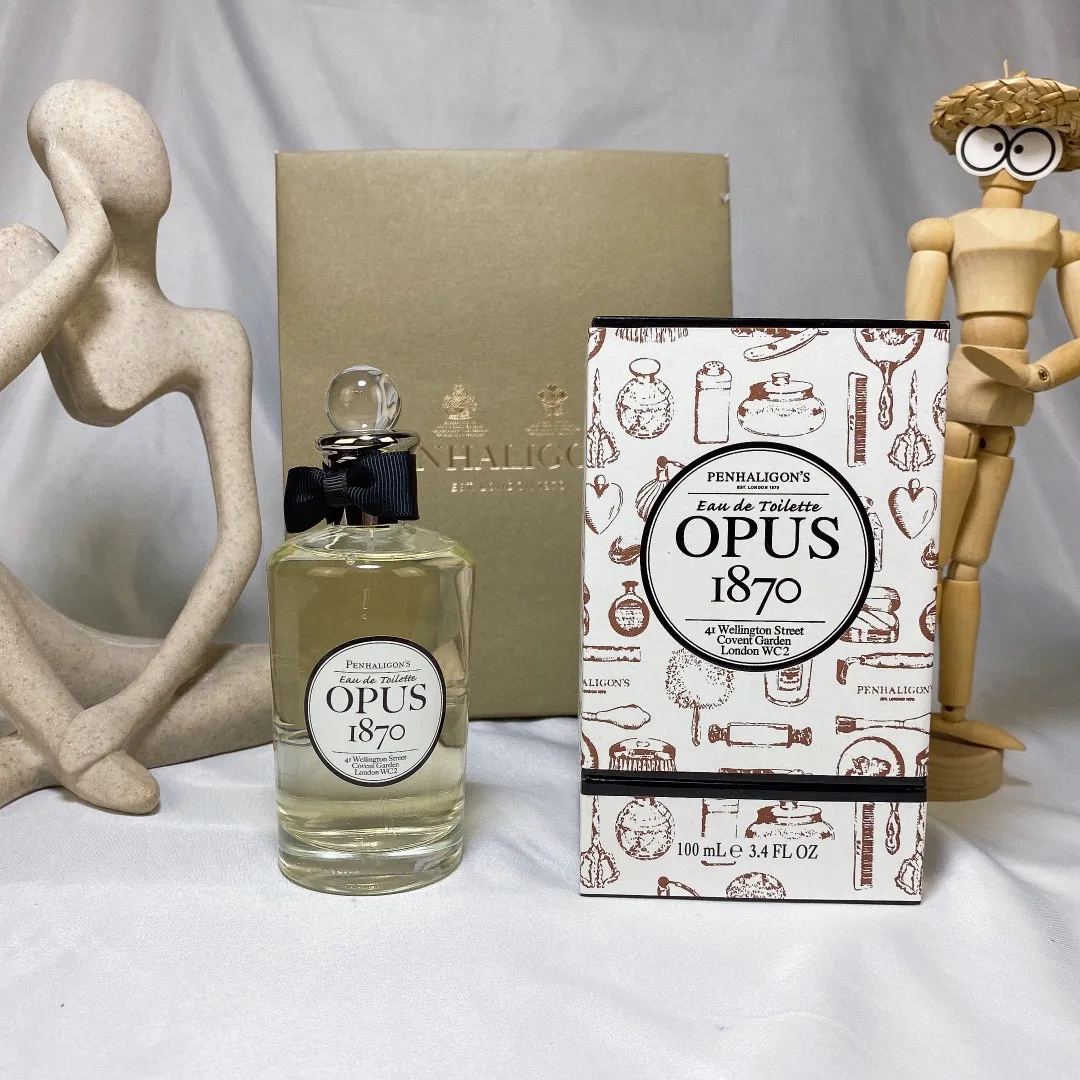
Performance & Engineering
The performance of Chinese parfum, like all fragrances, is governed by several key factors: Volatility: This dictates the evaporation rate of fragrance components, influencing the top, middle, and base note progression. Heavier molecules (e.g., sandalwood, amber) have lower volatility and provide a longer-lasting base. Volatility is quantified by vapor pressure measurements. Diffusion: The ability of the fragrance to project and fill a space. This is influenced by molecular weight and concentration. Diffusion can be assessed through sensory panels and gas chromatography. Longevity: The duration the fragrance remains perceptible on the skin or fabric. This is affected by concentration, skin type (pH and lipid content), and environmental factors (temperature, humidity). Longevity testing involves controlled application and periodic sensory evaluation. Stability: Resistance to degradation over time due to factors like light, heat, and oxidation. Stability testing is crucial, involving accelerated aging studies (e.g., storing samples at 40°C and 75% humidity) and monitoring for changes in color, odor, and chemical composition (using GC-MS).
Environmental Resistance: Chinese parfum must also demonstrate resistance to common environmental stressors. UV exposure can cause fading and alteration of fragrance notes. Antioxidants (e.g., BHT, tocopherol) are often added to formulations to mitigate oxidative degradation. Formulations must also be stable across a range of temperatures, preventing crystallization or phase separation.
Technical Specifications
| Parameter | Unit | Typical Range (Chinese Parfum) | Test Method |
|---|---|---|---|
| Fragrance Concentration | % w/w | 15-20 (Eau de Parfum) | Gas Chromatography-Mass Spectrometry (GC-MS) |
| Ethanol Content | % v/v | 75-90 | Refractometry |
| Water Content | % w/w | < 0.5 | Karl Fischer Titration |
| pH | - | 6.0-8.0 | pH Meter |
| Specific Gravity | g/mL | 0.90-1.05 | Hydrometer |
| Color (APHA) | - | < 20 | Spectrophotometry (APHA Scale) |
Failure Mode & Maintenance
Chinese parfum, like all fragrances, is susceptible to several failure modes. Phase Separation: This occurs when the fragrance concentrate and alcohol separate, resulting in a cloudy appearance. This is often caused by insufficient solubilization of fragrance ingredients or temperature fluctuations. Color Change: Exposure to light or heat can cause discoloration, often due to oxidation of fragrance compounds. Scent Alteration: Degradation of key fragrance molecules over time can lead to a change in the scent profile. This is exacerbated by exposure to oxygen and UV light. Sediment Formation: Insoluble components or degradation products can precipitate out, forming sediment. Bottle Degradation: Prolonged contact with the parfum can cause some plastics to leach compounds or become brittle.
Maintenance & Mitigation: Proper storage is critical. Parfum should be stored in a cool, dark place, away from direct sunlight and heat. Bottles should be tightly sealed to prevent evaporation and oxidation. The use of UV absorbers and antioxidants in the formulation can help to protect against degradation. Regular quality control checks are essential to identify and address any signs of instability. For retailers, proper stock rotation (FIFO – First In, First Out) is crucial to minimize the risk of selling outdated products.
Industry FAQ
Q: What is the optimal ethanol source for Chinese parfum production and how does denaturant choice affect fragrance profile?
A: High-quality, anhydrous (99.9%) ethanol derived from grain or sugarcane is preferred. Denaturants, added to make ethanol unfit for human consumption, can significantly impact the fragrance profile. Bitrex is commonly used but can impart a subtle bitter undertone. Alternatives like diethyl phthalate or other specialized denaturants are available, each with its own impact on the overall scent. The choice must balance regulatory compliance with olfactory neutrality.
Q: How does the quality of osmanthus absolute vary based on harvest time and extraction method, and how is this assessed?
A: Osmanthus absolute quality varies considerably. Early harvests (spring) yield more delicate floral notes, while later harvests (autumn) produce a richer, more fruity aroma. Solvent extraction (hexane is common) impacts the absolute’s profile. CO2 extraction is becoming increasingly popular as it preserves more of the delicate top notes. Assessment relies on GC-MS analysis to identify key aroma compounds (linalool, damascenone) and olfactory evaluation by trained perfumers.
Q: What are the key challenges in scaling up Chinese parfum production while maintaining consistent quality?
A: Scaling up introduces challenges in raw material sourcing, blending precision, and quality control. Ensuring consistent supply of high-quality natural extracts is crucial. Automated blending systems are essential for maintaining batch-to-batch consistency. Rigorous quality control checks, including GC-MS analysis and sensory evaluation, must be implemented at each stage of the production process.
Q: What are the primary regulatory hurdles for exporting Chinese parfum to the EU and North America?
A: Regulatory hurdles include compliance with IFRA (International Fragrance Association) standards regarding restricted fragrance materials, REACH (Registration, Evaluation, Authorisation and Restriction of Chemicals) in the EU, and FDA (Food and Drug Administration) regulations in the US. Accurate labeling, including ingredient lists and allergen declarations, is essential. Safety Data Sheets (SDS) must be provided for each product.
Q: How can stability testing protocols be optimized to accurately predict the shelf life of Chinese parfum formulations, given the diverse range of ingredients used?
A: Optimized stability testing involves accelerated aging studies at multiple temperatures (e.g., 25°C/60%RH, 40°C/75%RH) and light exposure levels. Regular monitoring of key parameters – color, odor, pH, specific gravity, and chemical composition (GC-MS) – is crucial. Sensory evaluation by a trained panel should be conducted periodically. Data analysis should employ statistical methods to predict shelf life with confidence intervals.
Conclusion
Chinese parfum represents a fascinating intersection of traditional artistry and modern scientific techniques. Achieving consistent quality, navigating complex regulations, and establishing a unique brand identity are key challenges for producers. A deep understanding of material science, manufacturing processes, and performance characteristics is essential for creating successful and export-ready products. The industry's continued growth hinges on embracing rigorous quality control, sustainable sourcing practices, and a commitment to innovation.
Further research into novel extraction techniques, encapsulation technologies for enhanced fragrance longevity, and the development of eco-friendly formulations will be critical for the future of Chinese parfum. Collaboration between fragrance houses, research institutions, and regulatory bodies will also be vital in fostering a thriving and sustainable industry.