
Introduction
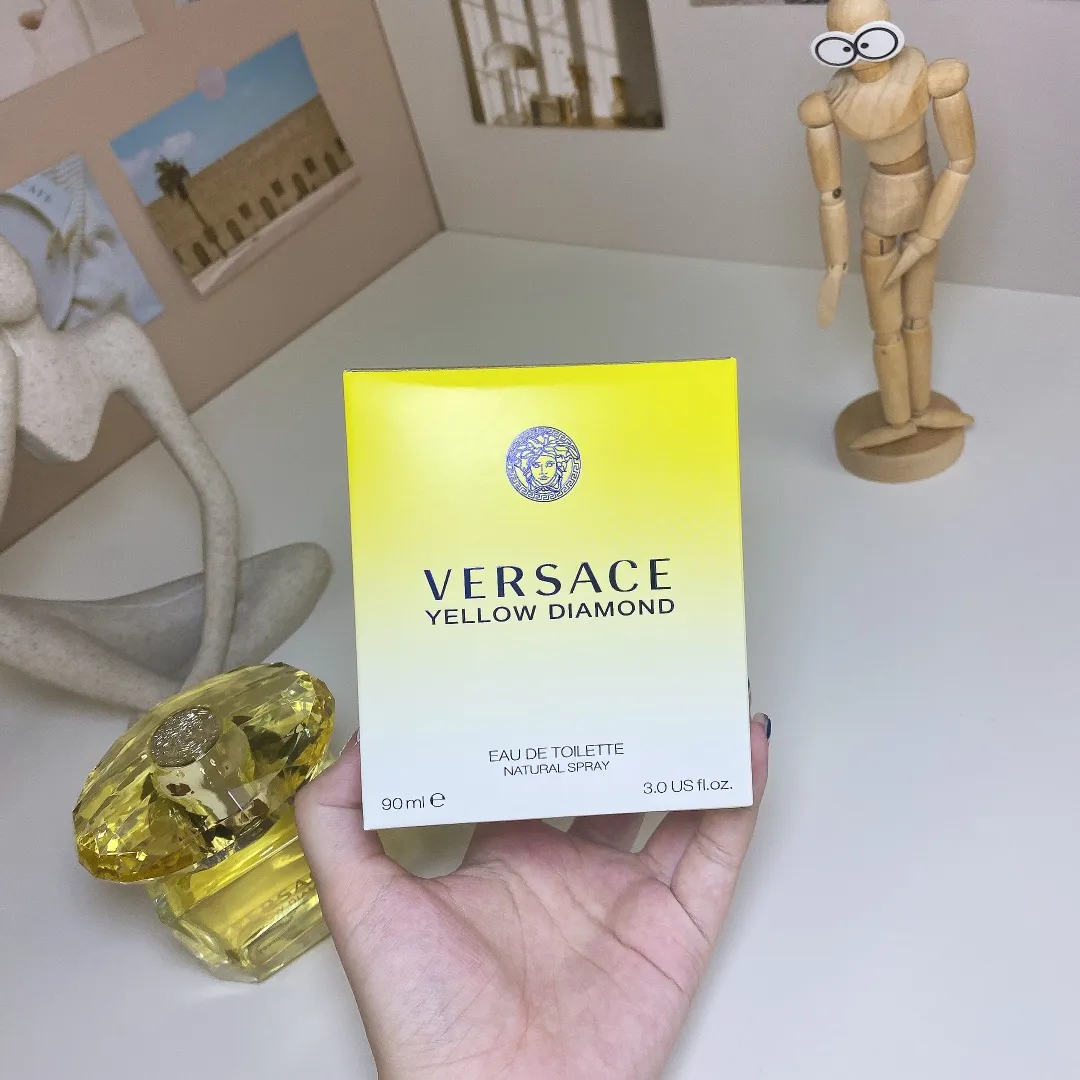
Perfume offers, encompassing the complete presentation and packaging of fragrance products, represent a critical interface between product chemistry and consumer perception. This technical guide provides an in-depth analysis of the materials, manufacturing processes, performance characteristics, potential failure modes, and relevant standards governing effective perfume offer design and production. Unlike the fragrance concentrate itself, the 'offer' concerns the entire deliverable – the bottle, atomizer, cap, outer packaging, and any accompanying promotional materials. Its primary function is containment, preservation, and controlled dispensing of a volatile and chemically sensitive substance, while simultaneously serving as a key branding element. The industry faces challenges regarding material compatibility with fragrance compounds, ensuring leak-proof sealing, maintaining aesthetic appeal throughout the product lifecycle, and complying with increasingly stringent environmental regulations pertaining to packaging materials. The integrity of the perfume offer directly impacts perceived product quality and brand reputation, necessitating rigorous engineering and quality control.
Material Science & Manufacturing
The materials employed in perfume offers are diverse, each chosen for specific properties. Glass (typically soda-lime or flint glass) remains the dominant material for bottles due to its inertness, clarity, and aesthetic qualities. However, plastic materials, including Polyethylene Terephthalate (PET), Polypropylene (PP), and Acrylics are increasingly used, particularly for travel sizes and specific fragrance types due to their lower cost and shatter resistance. Atomizers typically utilize a combination of glass, metals (stainless steel, brass, aluminum) and polymers (polyolefins) for internal components like dip tubes, spray nozzles, and protective housings. Caps are frequently molded from Surlyn (ionomer resin), Polypropylene or metal alloys, offering a balance of sealability, durability, and aesthetic finish. Outer packaging typically comprises cardboard (various grades), paperboard, and increasingly, recycled materials. Manufacturing processes vary depending on the component. Glass bottles are commonly formed via blowing or pressing, followed by annealing to reduce stress. Plastic components are predominantly produced via injection molding, requiring precise temperature and pressure control to ensure dimensional accuracy and material integrity. Atomizer assembly is largely automated, with robotic systems inserting small parts and conducting leak tests. Sealing is a critical step, often utilizing gaskets made from materials like PTFE or elastomers, selected for their chemical resistance to fragrance oils. Key parameter control includes glass wall thickness uniformity, plastic resin melt flow index, metal alloy composition, and gasket compression force. Material compatibility testing is crucial; certain fragrance compounds can react with specific plastics, leading to degradation, discoloration, or even bottle failure.
Performance & Engineering
The performance of a perfume offer is assessed through several key engineering considerations. Firstly, the containment integrity—the ability to prevent leakage—is paramount. This necessitates rigorous testing under varying temperature and pressure conditions, simulating transportation and storage environments. Finite Element Analysis (FEA) is often employed to model stress distribution within the bottle and cap assembly, optimizing the design to withstand internal pressure from the fragrance and external forces during handling. Secondly, the atomization performance—the creation of a fine, consistent spray—is critical for consumer satisfaction. This is governed by the nozzle geometry, internal channel dimensions, and the viscosity of the fragrance liquid. Computational Fluid Dynamics (CFD) modeling can optimize nozzle designs for efficient and uniform droplet size distribution. Environmental resistance is another vital factor. Exposure to UV radiation, humidity, and temperature fluctuations can degrade plastic components and affect the aesthetic appearance of the offer. Accelerated aging tests are performed to assess long-term durability. Compliance requirements include adherence to packaging regulations regarding material composition (e.g., restrictions on heavy metals), labeling requirements (e.g., ingredient disclosure), and transportation safety standards (e.g., drop tests). Furthermore, the offer must be designed for efficient filling and labeling operations on the production line, minimizing downtime and maximizing throughput. The choice of materials directly impacts the overall weight and recyclability of the packaging, influencing its environmental footprint.
Technical Specifications
| Material | Property | Specification | Test Method |
|---|---|---|---|
| Glass (Flint) | Hydrolytic Resistance | Weight Loss < 0.1% after 7 days @ 95°C, 95% RH | ISO 7693-1 |
| PET Bottle | Tensile Strength | Minimum 40 MPa | ASTM D638 |
| Polypropylene Cap | Compression Set | < 15% after 24 hours @ 70°C | ASTM D395 |
| Atomizer Nozzle (Stainless Steel) | Hardness | 55-60 HRC | ASTM D2240 |
| Surlyn Cap | Impact Strength (Izod Notched) | > 80 J/m | ISO 145-8 |
| Outer Carton (Cardboard) | Bursting Strength | > 550 kPa | ISO 279 |
Failure Mode & Maintenance
Perfume offers are susceptible to several failure modes. Stress cracking in plastic bottles, particularly when exposed to aggressive fragrance compounds, is a common issue. This typically manifests as crazing (fine surface cracks) and can lead to leakage. Delamination of plated metal components (e.g., caps) can occur due to poor adhesion or corrosion. Atomizer failure can arise from clogging of the nozzle due to fragrance sediment or corrosion of internal parts. Gasket degradation, caused by chemical attack from the fragrance or UV exposure, results in leakage. Bottle breakage, though less frequent with careful handling, is a potential failure mode, especially during transportation. Maintenance, while limited for end-users, involves proper storage conditions (avoiding direct sunlight and extreme temperatures) and gentle handling to prevent physical damage. For manufacturers, preventative maintenance of filling and labeling equipment is crucial to ensure consistent quality and minimize defects. Root cause analysis of failures should involve material analysis, chemical compatibility testing, and stress analysis to identify and address underlying issues. Regular inspection of sealing mechanisms and atomizer components is also recommended. Implementing a robust quality control system, including leak testing and visual inspection, is essential to minimize the occurrence of failures and maintain product integrity. Degradation of fragrance itself, leading to color change or precipitation, while not a failure of the offer per se, can be falsely attributed to it, highlighting the need for compatibility studies.
Industry FAQ
Q: What is the primary advantage of using glass versus plastic for perfume bottles?
A: Glass offers superior chemical inertness, preventing interactions with the fragrance concentrate that can lead to degradation or discoloration. It also provides a higher perceived value and allows for greater design flexibility, achieving a premium aesthetic. While plastic is lighter and less prone to breakage, it requires careful material selection to ensure compatibility and prevent permeation of fragrance molecules.
Q: How do you ensure leak-proof sealing in atomizer assemblies?
A: Leak-proof sealing relies on a combination of factors: precise tolerances in component dimensions, the selection of a chemically resistant gasket material (typically PTFE or a specialized elastomer), and controlled compression force applied during assembly. Leak testing is performed using pressurized air or water to identify any potential flaws in the sealing mechanism.
Q: What are the key considerations for selecting materials for outer packaging?
A: Outer packaging material selection focuses on protecting the perfume bottle during transit and storage. Factors include cushioning properties, burst strength, and resistance to moisture and abrasion. Increasingly, sustainability is a key consideration, driving demand for recycled and biodegradable materials. Printability and aesthetic appeal are also important.
Q: How does UV exposure affect perfume offer materials?
A: UV exposure can cause discoloration, embrittlement, and degradation of plastic components, particularly those containing UV-sensitive additives. It can also affect the aesthetic appearance of metal finishes. UV inhibitors are often incorporated into plastic formulations to mitigate these effects, and opaque or UV-protective coatings can be applied to glass bottles.
Q: What testing is performed to assess the compatibility of fragrance compounds with offer materials?
A: Compatibility testing involves immersing sample materials in the fragrance concentrate for extended periods (weeks to months) at elevated temperatures. The materials are then analyzed for changes in weight, appearance, mechanical properties, and chemical composition. GC-MS (Gas Chromatography-Mass Spectrometry) is used to identify any leaching of plasticizers or other additives into the fragrance.
Conclusion
The design and manufacture of perfume offers constitute a complex interplay of material science, engineering principles, and aesthetic considerations. Achieving optimal performance requires a thorough understanding of fragrance chemistry, material compatibility, and the potential failure modes. Rigorous testing, precise parameter control, and adherence to industry standards are essential to ensure product integrity and consumer satisfaction. The ongoing drive towards sustainability is also influencing material selection and packaging design, prompting innovation in recycled and biodegradable materials.
Ultimately, the perfume offer is more than just a container; it is an integral part of the brand experience, influencing consumer perception and contributing significantly to the overall success of the fragrance product. Continuous improvement in offer design, driven by advancements in materials science and manufacturing technologies, will be crucial for meeting evolving consumer expectations and maintaining a competitive edge in the global fragrance market.